

Insurance Becomes More Important In Times Of Volatility
The concept of insurance has become the quintessential example of “It’s better to have it and not need it than need it and not have it.” Accidents can happen that have significant recovery costs for the people involved. Sometimes, a person or a business will not have the finances required to invest in that recovery. This is where insurance has always played an important role. In exchange for a monthly premium, should an accident befall the insurance holder, all those months or even years of paying monthly premiums come back as coverage to finance the costs of a serious accidental event.
In some cases, insurance isn’t just a good idea but a law mandate. For example, most states in the USA legally require vehicle owners to have some insurance before they are allowed to drive the roads and highways of the area. It’s one of those financial aspects of life that, when things are going smoothly, seems like a small waste of funds that go into something else. However, it can literally save lives or even livelihoods when a catastrophe occurs.
Because of this, insurance tends to be regarded by most Americans like “vegetables,” in that they know this is a good idea and that they should have insurance but don’t look too deeply into it. This is where the promotion and careful marketing of insurance can be useful. The general consumer, and even some business managers, may not be aware of the nuances and specific benefits that distinguish one insurance policy from another. Careful marketing that clearly explains benefits and even points out the negatives hidden in an existing insurance policy can motivate a consumer or business manager to consider switching insurance policies or finally taking out a policy on something formally uninsured.
Who Benefits?
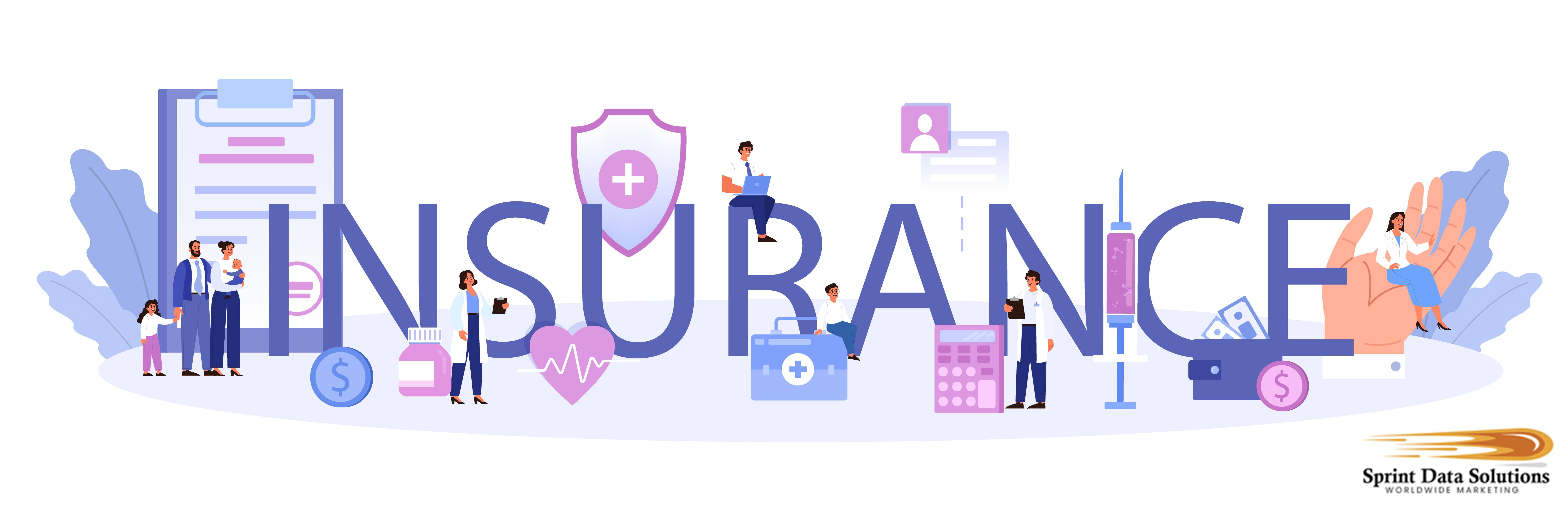
There are many different types of insurance to offer both the general consumer and the businesses of the United States. Just a few places where insurance can better target the market include:
Health Insurance
This is the type of insurance that may hang most heavily in the minds of America. As one of the most advanced nations on the planet, the great medical advances and breakthroughs available in America often come at great cost. For some, especially those without the type of full-time job that offers a comprehensive health insurance plan for employees and family members, the cost of life-saving treatment, should it be required, can bring a family to financial ruin for generations, or simply be out of reach, with no way to pay for it.
Because of this, many people are on the lookout for better health insurance alternatives. The Affordable Care Act has made healthcare insurance more accessible, but most will agree that it is far from ideal. Anyone who can present average Americans with helpful alternatives will always garner some attention at a time when people are still deeply concerned about skyrocketing healthcare costs.
Medicare Part B
As the companion to health insurance, “Medicare Part B” is another aspect of financing healthcare that many Americans become concerned about once they’re aware of the issue. While most people concerned about healthcare look at the “big-ticket items,” like a major surgical procedure or expensive chemo or radiation therapy to fight diseases like cancer, there are many other costs associated with healthcare that all add up. Regular medical consultations, the cost of transport to a hospital via an ambulance, medical equipment like wheelchairs and blood sugar meters, and even coverage for mental health care.
Because of this, consumer concerns for coverage of Medicare part B issues can be as high—or even—higher than normal health insurance. Targeted to the right market, Medicare part B insurance offers can garner great interest and engagement.
Life Insurance
Though it’s a natural part of the lifecycle, the death of a loved one still has a huge impact on surviving friends and family. This is especially true if there was a reliance on that person as a “breadwinner” to finance food and education, such as in the case of surviving children. Because of this, life insurance is one of the older types of insurance, and most Americans are familiar with it.
However, life insurance is complex, and many policies have aspects, conditions, and “riders” that can negatively impact insurance holders even though they don’t know it. It’s always possible to be more competitive and offer more positives—or even simply fewer negatives—than other insurance providers to provide a better product.
Variable Annuity Holders
While not strictly insurance, variable annuities are financial products insurance companies can offer. These require either a single large payment or a series of agreed-upon smaller amounts. In exchange, at an appointed time, the tax-deferred funds allocated due to those payments will then be released to the holder or people designated by the holder, such as a spouse or children.
Because of its function more as a retirement or investment fund than strict insurance, there is a broad range of interest in this type of financial product. Certain demographics are always on the lookout for promising variable annuities to consider.
Auto Insurance
Although auto insurance is largely mandatory to drive a car legally, not all auto insurance policies are created equal. Because of the sheer variety of auto insurance policies available, and the fact that larger companies typically offer discounts on insurance if they are bundled in with other policies, many people sign up for an auto insurance policy that often isn’t optimized for their needs.
There is always room in the auto insurance sector for competitive products with good pricing and consumer-friendly measures to appeal to policyholders who didn’t know they had better alternatives.
Home Insurance
While home insurance is not like auto insurance in that it’s often a state legal requirement, in another sense, it is mandatory for many, as banks usually will not issue a mortgage approval unless the loan applicant secures home insurance. So even though the law doesn’t require home insurance, buying a home may not be possible unless a prospective purchaser has it.
Like auto insurance, home insurance is well established, with a dizzying array of products available. Often, less comprehensive policies get selected anyway due to discounts that come with choosing the path of least resistance and including it in a bundle for multiple policies. More competitive products can easily sway policyholders if they are educated about the benefits they can gain from switching.
Renter Insurance
In recent years, it has come to the attention of insurance providers that it is not just property owners that can benefit from insurance. Many people in New York City, for example, can spend an entire lifetime living in a rent-controlled apartment and benefit from the peace of mind and protection from insurance in the event of accidents.
As more and more people remain renters, especially with demanding economic conditions, the market has also opened to cater to these people. With proper marketing and education, apartment dwellers and other renters may choose to protect themselves with the right policy.
Vault Insurance
Placing valuables and other objects in a vault should offer maximum peace of mind and protection. In reality, certain events, such as natural disasters or even theft, can place the contents of a vault in jeopardy, leaving owners with nothing to show for it, despite that sizable investment.
This is where vault insurance can make a big difference. For people who have resorted to vault protection for peace of mind, additional investments for further protection aren’t such a high price to pay. They can be convinced to protect themselves further with the right marketing approach.
Commercial Business Insurance
One of the oldest types of insurance in the world was based on business, especially protecting valuable cargo while shipping to far-flung destinations. So it should come as no surprise that commercial business insurance remains broad and comprehensive, spanning many different types of business.
Smart business people take no chances when it comes to protecting an array of different business assets, from property to equipment. There will always be interest in the commercial sector for good commercial business insurance policies that perform and price competitively with what’s already out there.
Personal Property Insurance
Many people make the mistake of thinking that they have achieved maximum protection by having home insurance. However, in many cases, especially for home insurance with very low premiums, the truth is that while the structure of a home may receive insurance protection, many of the things inside it, such as computers and furniture or even family heirlooms, get no protection at all.
Personal property insurance is always a good idea for those interested in protecting not just a building but the contents inside that building. This applies not just to property owners but renters as well to an extent. In many circumstances, what’s in a home can be more important than the home itself, and this is a good product to market to people that feel this way.
Insurance Bond
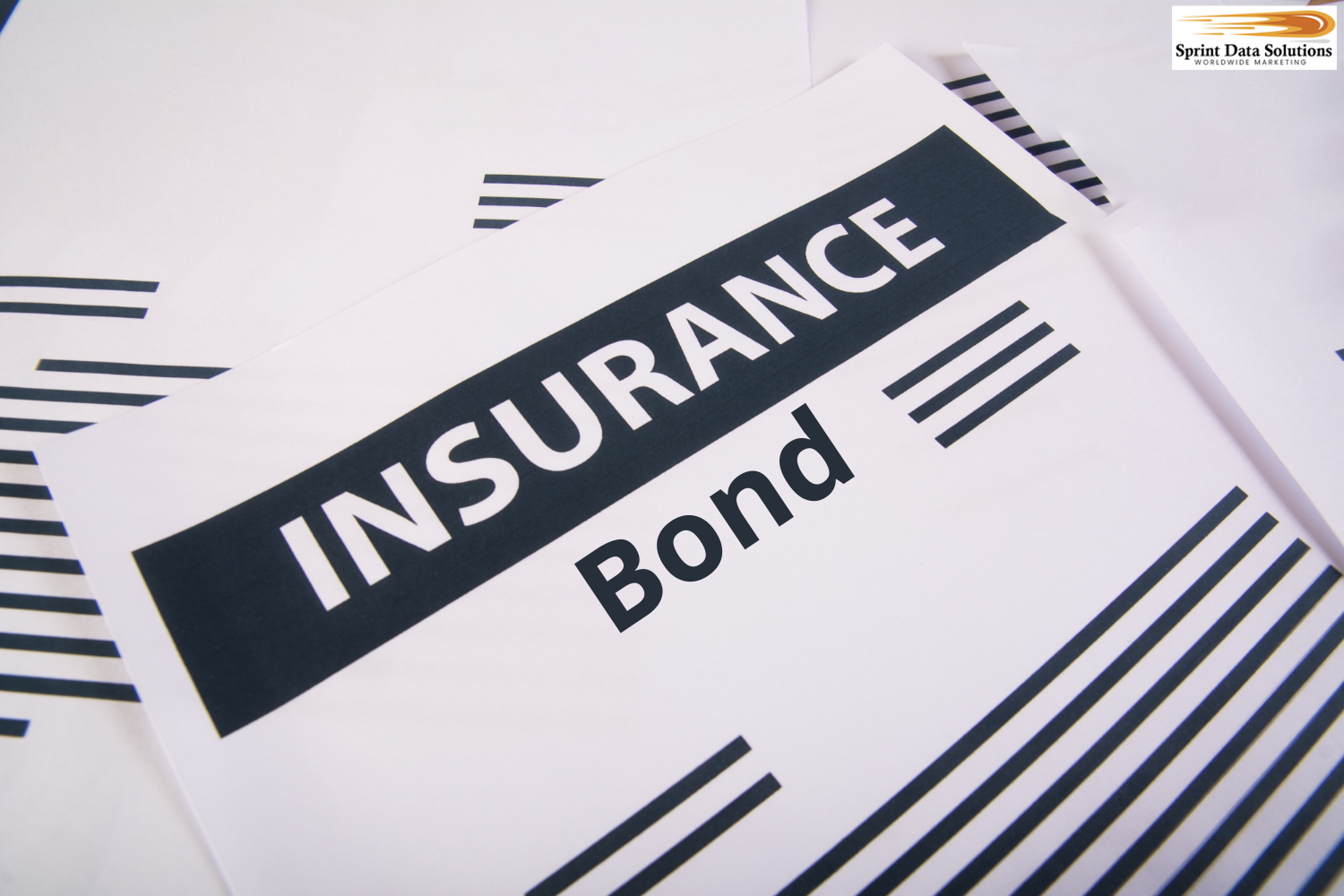
An insurance bond is not exactly the same as a policy. Still, it is related to insurance in that taking out a bond is essentially both a legal and financial statement reassuring other parties that there is an ability to pay out for something should it be required. As with insurance, there is a range of bonds, from fidelity bonds for employees to bid or performance bonds for construction companies as assurance that they can complete projects as promised.
The nature of bonds means that there is always someone, whether a small business operator or a construction company, who may need a bond at this juncture in operations. Marketing to these businesses is always a good idea.
Business Interruption Insurance
When a home is affected by a disaster, this can mean needing to find a temporary residence until the house is repaired, but it doesn’t affect livelihood. On the other hand, the place of business for a company being shut down by a disaster does mean a loss of livelihood for the business owner and the employees. Business interruption insurance is one way to protect a company and its personnel from this outcome.
As with other types of insurance, business interruption insurance is varied, covering a range of needs from loan payments and employee salaries to helping find temporary locations to resume operations. It’s just about offering the right features to the right businesses.
Fire Insurance
Fire insurance is one of the most well-known and common types. Few people have to be told about the devastating effects of a fire running through a building. For many people, the peace of mind that comes from knowing a fire event is covered by financial protection is well worth having.
However, different companies have different ideas about what constitutes proper coverage, and in some cases, the fire insurance protection is less than what it could or should be for customers. For those offering better coverage or rates, there is always a market open to negotiation about this.
High-Risk Insurance
Everybody benefits from insurance coverage, but not everyone can qualify for the standard policies. This is where non-standard or “high-risk” insurance policies can help. This runs the gamut from drivers with multiple accidents or failure to make premium payments to property owners who want to own a building with no plans to occupy it.
Because many people unable to get standard insurance policies are still interested in the protection and peace of mind insurance provides, this is a small but active market. It’s just a matter of finding the right customers.

How We Can Help
Sprint Data Solutions Worldwide Marketing is a 100% American-owned and operated company formed by a disabled veteran. From our start as a direct mail marketing firm, we’ve expanded into providing domestic, continental, and international marketing services. We provide the insurance general consumer and business lists people need. Our prices are competitive, our databases are frequently updated, and we use advanced AI analytics and machine learning and access to multiple reputable database sources to compile our lists.
If you’re looking for insurance customers to contact through various geographic and demographic metrics, whether for mail, telephone, email, or even SMS/text-based marketing, contact us today.